|
The Ledger Letter
Finance Studio Advisors · Sunday, July 19, 2026
|
Oil Is Voting for a Rate Hike. The Market Is Pricing a Pause.
Crude closed the week near $81, up roughly 13 percent in five sessions. The move wasn’t about demand. U.S. forces struck Iranian targets for a seventh straight night, tanker traffic through the Strait of Hormuz seized up, and a war-risk premium came roaring back into the barrel. Wall Street barely glanced over. It spent the week arguing about semiconductors and a new Chinese AI model, while the 10-year Treasury ended almost exactly where it started, near 4.55 percent. One market is repricing the cost of everything that moves on a truck; the market whose whole job is to price inflation decided to sit this one out. The reader watching the Nasdaq drawdown was watching the wrong screen.
|
|
The Breakdown
Today’s disagreement: crude is voting for a September rate hike; the Treasury market is still pricing a pause.
|
| 01 |
The Story Everyone Told
Semiconductors owned the week. The Philadelphia chip index dropped into a bear market Friday on fears that a new Chinese AI model and cooling data-center spending could dent demand. The Nasdaq lost 2.9 percent. That was the tape every desk led with.
|
|
| 02 |
The One They Skipped
Oil got a fraction of the coverage. WTI closed near $81, up about 13 percent on the week; Brent topped $84. Tanker traffic through the Strait of Hormuz all but stopped, and a drone strike halted Iraqi loadings at Basra. A supply shock, not demand.
|
|
| 03 |
We’ve Seen the Lag
This isn’t new. When the Strait first seized up in February, crude ran past $100 and the inflation it lit took months to cool; a June truce briefly pulled oil back near $70. Oil shocks reach the CPI on a lag of months, not days.
|
|
|
|
|
Advertisement

|
Reg A+ · Nasdaq $RYSS reserved
|
|
|
|
Investor briefing · M&A in smart home
Could RYSE be the next billion-dollar smart home exit?
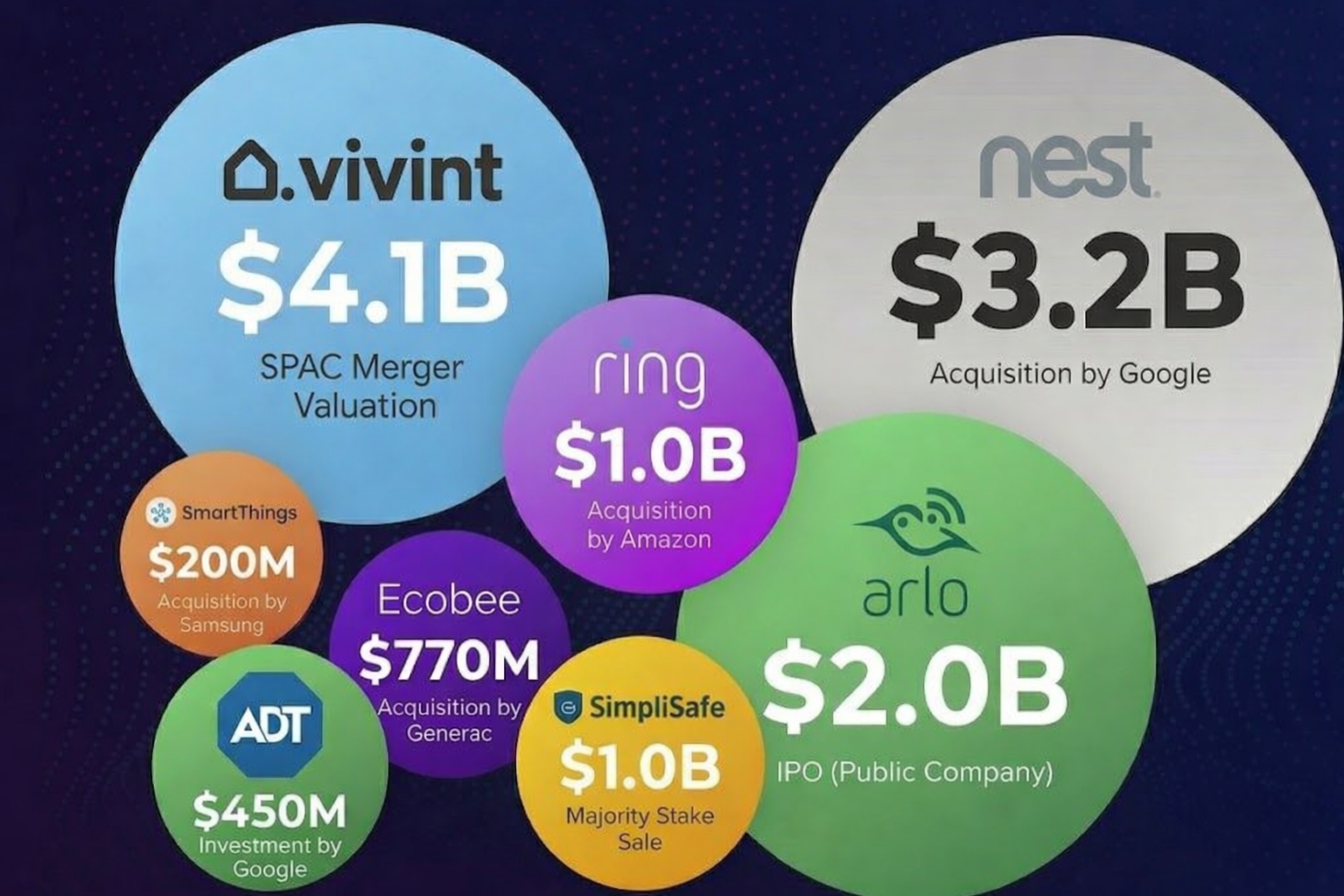
Vivint $4.1B. Nest $3.2B. Arlo $2.0B. Ring $1.2B. RYSE owns the last untouched category. Pre-IPO at $2.50/share, recently up from $2.45.
|
|
Smart home exits, by deal value
| Company |
Event |
Value |
| Vivint |
SPAC merger |
$4.1B |
| Nest |
Acquired by Google |
$3.2B |
| Arlo |
IPO valuation |
$2.0B |
| Ring |
Acquired by Amazon |
$1.2B |
| SimpliSafe |
Majority sale |
$1.0B |
|
|
Each of these started in one overlooked category. Each ended with a billion-plus exit. The largest manual category left in the home is window coverings. RYSE leads it.
Patented retrofit robots install in minutes on existing shades, blinds, and curtains. Real distribution: 100+ Best Buy locations, plus Amazon, Home Depot, and Lowe's. Real revenue: $15M+ lifetime, 80,000+ devices in homes. Real moat: 10 granted patents and an Amazon court ruling that blocks copycats.
RYSE is pre-IPO with reserved Nasdaq ticker $RYSS. The Reg A+ round is open at $2.50 per share, recently up from $2.45.
|
|
$15M+
Revenue
|
80K+
Devices sold
|
100+
Best Buy stores
|
10
Patents granted
|
|
|
Current pre-IPO share price
|
$2.50 / share
|
Next increase ahead
|
|
|
|
~$1,002 minimum · IRA eligible · No lock-up · Bonus shares available
|
|
Bonus shares program
| $2,500 |
+10% bonus shares |
| $10,000 |
+20% · effective $2.08/share |
| $100,000 |
+40% · effective $1.79/share |
| $250,000 |
+50% · effective $1.67/share |
|
|
Read the offering circular and risk disclosures at invest.helloryse.com.
|
|
Important disclosures. This is a paid advertisement for RYSE Inc. made pursuant to a Regulation A+ offering and involves risk, including the possible loss of principal. The valuation is set by the Company; there is currently no public market for the Company's Common Stock. Nasdaq ticker "$RYSS" has been reserved by RYSE; any potential listing is subject to future regulatory approval and market conditions. Comparisons to Vivint, Nest, Arlo, Ring, and SimpliSafe are illustrative of historical smart home category exits and do not imply similar outcomes for RYSE investors. SEC qualification does not constitute SEC approval of the merits.
RYSE Inc., 96 Spadina Avenue, Suite 500, Toronto, ON M5V 2J6, Canada
You're receiving this because you opted in to investor updates from RYSE or a partner. Unsubscribe · View in browser
|
|
|
|
|
The Week in Five Prices
| WTI crude (Fri) | ≈$81 — +13% wk, 2-mo high | | 10-yr Treasury yield | 4.55% — flat on the week | | U.S. Dollar Index (DXY) | ≈100.9 — off its July high | | S&P 500 (Fri close) | 7,457.69 — −1.6% on the week | | Sept Fed move (CME FedWatch) | ≈44% odds of a hike |
Levels as of Friday, July 17 close; dollar index as of July 14; September odds via CME FedWatch. Sources: CNBC, LSEG, U.S. Treasury, CME FedWatch.
|
The Number That Decides September Isn’t on a Chip Chart.
The Week Wall Street Spent on Chips
The week belonged to semiconductors, at least on the screens everyone was watching. The Philadelphia chip index fell into a bear market on Friday, rattled by a powerful new open model out of a Chinese startup and fresh doubts about how long the big AI buyers keep spending. Netflix missed on its forecast and fell about 9 percent. The Nasdaq closed the week down 2.9 percent, the S&P off 1.6 percent. Every desk wrote a version of the same question: is the AI trade finally cracking? It’s a fair question, and the chip selloff is real and by now deeply oversold. It also swallowed the airtime so completely that the single biggest move of the week happened somewhere else, and almost no one led with it.
The Barrel That Wouldn’t Stay Quiet
That move was in crude. While tech bled, oil ran about 13 percent to roughly $81, and Brent pushed past $84. The cause was supply, not appetite: U.S. forces struck Iranian targets for a seventh straight night, tanker traffic through the Strait of Hormuz all but stopped, and a drone strike suspended loadings at Iraq’s Basra terminal. Now watch what the rest of the tape did with it, because the disagreement lives here. If the bond market believed the barrel, the 10-year would be climbing. It isn’t. It ended the week near 4.55 percent, essentially where it began, anchored to a soft June inflation print. The dollar didn’t firm on the threat either; it drifted lower, toward 100.9. And rate futures actually trimmed the odds of a September Fed hike to around 44 percent. One market is shouting that the cost of moving goods just jumped. Bonds, the dollar, and rate futures answered in unison that there was nothing to see. Both can’t be right about the same barrel.
How a Barrel Becomes a Rate Decision
Here is the chain the calm bond price is skating past. A barrel that climbs from the $70s to $81 doesn’t stay in the oil pit. It rides into diesel, freight, airfares, and the shelf price of everything that arrives on a truck, and it does it on a lag of months, not afternoons. That lag is exactly what caught the market in the spring, when the first Strait scare ran crude past $100 and lit an inflation pulse that took a full quarter to cool. The Fed is no bystander to this reader. It’s in an open fight over whether the next move is a hike, with roughly two-thirds of the futures market braced for one before year-end. A week of soft June data handed the doves some cover. A sustained oil spike takes it back. And because the 10-year sets the rate beneath mortgages, auto loans, and credit cards, a bond market underpricing the barrel is underpricing the reader’s own borrowing costs. Our read: the market that’s calm about oil is the one that will have to move.
The Level That Settles the Argument
You don’t have to guess who’s right; two prices will settle it. Watch crude at Monday’s open. Hold above $80 and the war premium is sticking, not fading; slip back toward $75 and the bond market’s calm earns its keep. Then watch the 10-year. It’s pinned near 4.55 percent; if oil holds and that yield starts climbing toward 4.70, the bond market is capitulating to the inflation call, and anything long-duration in a 401(k) feels it first. Two dated tells sit right behind those levels. Halliburton reports Tuesday and will say in plain numbers what the oil field is doing, and Alphabet’s capital-spending line lands Wednesday for the crowd still fixated on chips. If you spent the week worried about your semiconductor exposure, that may be the wrong worry to lead with. The question worth answering before the open is how much rate risk is sitting in your bond funds, because no one is going to check it for you.
|
Everyone crowded around the fire in the tech aisle. Almost no one noticed the one catching under the grocery cart.
|
|
|
The Ledger Letter
When markets disagree, the signal is in the disagreement.
|
|
This newsletter is for informational purposes only and does not constitute investment advice. Past performance is not indicative of future results.
|
|
|