The Ledger Letter
Finance Studio Advisors · Saturday, October 3, 2026
 

The Nasdaq Cheered a Weak Jobs Report. The Bond Market Bet on December.

The economy added 29,000 jobs in September. Forecasters expected 84,000. Odds of an October rate hike fell to about one in four, and the Nasdaq closed up 1.19%. By the closing bell, the 2-year Treasury yield had risen anyway, to 4.839%. Stocks priced a pause. Bonds priced the next hike.
 
The Breakdown
Today’s disagreement: stocks are pricing a Fed that stops; the 2-year yield is pricing a Fed that only waits until December.
 
01
The Miss
Payrolls rose 29,000 against 84,000 expected. Revisions cut another 60,000 from July and August. Unemployment rose to 4.2%.
02
The Rally
The Nasdaq gained 1.19% to 27,190.86, and the S&P 500 rose 0.74%. The Nasdaq 100 touched a record during the session, with Nvidia leading.
03
The Reversal
Yields fell on the release, then climbed back. The 2-year closed 5 basis points higher. Gold jumped more than 1% after the data, then finished lower.
A Message From Our Partner
 
By the Numbers
Payrolls, September29,000 vs 84,000 expected
Nasdaq Composite, Friday27,190.86, up 1.19%
2-Year Treasury, Friday4.839%, up 5 bp
October Hike OddsAbout 23%, from 70% early in the week
Brent CrudeNear $100 a barrel
Market data as of the Friday, October 2, 2026 close, per CNBC and T. Rowe Price. Payrolls per the Bureau of Labor Statistics. Hike odds per CME FedWatch. Brent per Kitco.

Friday’s report hid one number that hits every household. Hourly pay rose 3.0% in a year, the same pace as core inflation. When a raise buys nothing new, the question turns to what holds its value. One of our partners makes that case below.

A Message From Our Partner
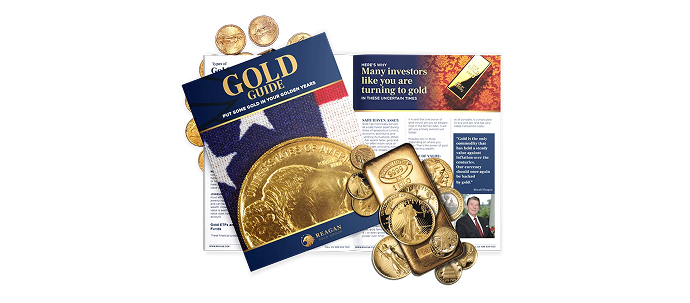
Major financial changes rarely come with a warning.
By the time headlines confirm what’s happening, early movers are often already positioned.
That’s one reason gold has started drawing renewed attention from retirement savers, conservative investors, and Americans concerned about inflation and long-term purchasing power.
This FREE report explains why.
You’ll learn:
  • Why the 1971 gold standard decision still matters today
  • What some experts believe could happen if monetary policy shifts again
  • Why physical gold tends to gain attention during periods of uncertainty
  • The possible risks of relying entirely on paper-based assets
  • What many investors are doing now before potential changes unfold
The goal isn’t panic.
It’s preparation.
Understanding how gold has historically reacted during economic transitions may help you make smarter decisions for the future.
Free gold report
GET THE FREE REPORT BEFORE IT’S GONE
DOWNLOAD YOUR FREE GUIDE TODAY
Reagan Gold Group does not provide financial, legal, or tax advice. This information is for educational purposes only and should not be considered investment advice. All investments carry risk, including loss of principal. Past performance is not indicative of future results. Consult your licensed financial advisor before making investment decisions.

Two Markets, Two Fed Meetings

The Report Everyone Read the Same Way

Most coverage this weekend leads with the miss, and the miss was real. September’s 29,000 came in below the 45,000 monthly average of the past year.

Hourly pay rose just 0.1% on the month, against 0.3% expected. Jefferies economist Tom Simons said the number should be the nail in the coffin for an October hike.

The Fed meets October 27-28 with its policy rate at 3.75% to 4%. Before the report, traders saw a real chance of another increase. After it, roughly three in four expect a hold, per CME FedWatch.

Where Stocks and Bonds Split

Stocks took the report as permission. All three major indexes closed higher, and chipmakers led the Nasdaq. Chips are not the only AI bet drawing money. Our partner Brownstone Research says one Elon Musk-backed startup is growing 23 times faster than Nvidia.

The bond market took a narrower view. The 2-year yield, the maturity most tied to Fed policy, fell on the release and then closed at 4.839%.

That is the bond market saying October is off and December is still on. Traders still price a high chance of a hike at the December meeting.

The reason sits in the oil market. Brent stayed near $100 a barrel this week. That held even after the G-7 and European nations agreed to release 100 million barrels from emergency stocks. Our view: a weak jobs report cools wages, but it cannot cool a barrel of oil.

The Raise That Bought Nothing

Here is the number most readers will feel first. Average hourly pay rose 3.0% from a year ago. Core PCE inflation, the Fed’s preferred gauge, ran at 3.0% in August.

Net of prices, the typical raise bought nothing new.

That shows up in the index split. For the week, the Dow lost 651.66 points while the Nasdaq added 122.15. Companies selling to a squeezed consumer lagged. Companies selling chips to data centers did not.

The Line at 4.84%

Watch the 2-year next week. If it drops below 4.70%, the bond market has joined stocks in pricing a long pause. If it pushes above 4.90%, December gets priced as a near-certainty, and the Nasdaq’s Friday rally has a problem.

Watch Brent as well. Above $100, every soft jobs number gets argued away as an oil story.

Worth watching: whether the Dow follows the Nasdaq on Monday. A rally carried by chipmakers alone is a rally in one sector, not in the economy.

Wall Street heard a pause. The bond market heard a delay.

Recommended for you

View all
caret-right